


 Send Inquiry
 Send Inquiry
PAYMENT ORCHESTRATION PLATFORM IN INDIA
Price 25000 INR/ Piece
PAYMENT ORCHESTRATION PLATFORM IN INDIA Specification
- Product Type
- Payment Orchestration Platform
- General Use
- Online payment management, Multi-acquirer processing, Routing optimization
- Type
- Software Platform
- Computerized
- Yes
- Automatic
- Yes
- Detection Function
- Fraud detection, Transaction monitoring
- Power Consumption
- Cloud-based: Minimal local consumption
- Material
- Digital Software Solution
- Dimension (L*W*H)
- Configurable, web-based
- Suitable Currency
- INR, Multi-currency support
- Feature
- API integrations, Real-time analytics, Dynamic routing, Risk management, Unified reconciliation
- Color
- Web Interface - Customizable UI
- Security
- Tokenization, End-to-end encryption, 2FA
- Reporting
- Comprehensive transaction and settlement reports
- Supported Payment Methods
- Credit cards, UPI, Netbanking, Wallets, Debit cards
- Acquirer Support
- Multiple Indian and international acquirers
- Integration Methods
- RESTful APIs, SDKs, Webhooks
- Support Channels
- 24/7 email, chat, phone support
- Uptime Guarantee
- 99.9% service uptime
- Onboarding Time
- Rapid deployment (minutes to hours)
- Scalability
- Handles high volume transactions seamlessly
- Compliance
- PCI DSS, RBI and local regulation compliant
About PAYMENT ORCHESTRATION PLATFORM IN INDIA
An online payment gateway is a secure digital platform that enables businesses to accept and process electronic payments from customers It acts as a bridge between a merchants website or app and the financial institutions that authorize transactions ensuring fast reliable and secure money transfers
With support for multiple payment methods including credit and debit cards net banking UPI and digital wallets a payment gateway offers customers a convenient and seamless checkout experience Advanced encryption fraud detection and realtime transaction monitoring help protect both buyers and sellers from unauthorized access or data breaches
Whether used by eCommerce stores service providers or B2B marketplaces an online payment gateway simplifies financial operations enhances customer trust and accelerates business growth through secure instant and userfriendly digital payments
Flexible Integration Methods
Connect your applications effortlessly using RESTful APIs, SDKs, or webhooks for a quick and adaptable setup. The platform supports smooth compatibility with a variety of backend systems and front-end frameworks, reducing development time and ensuring reliable connections to all payment instruments.
Comprehensive Payment Options
Accept payments through credit cards, UPI, netbanking, wallets, and debit cards from multiple Indian and international acquirers. Multi-currency handling and INR support ensure businesses cater to diverse customer preferences while optimizing routing to achieve higher success rates.
Robust Compliance and Security
With full adherence to PCI DSS guidelines, RBI mandates, and local regulatory standards, the platform safeguards sensitive data. Advanced security features such as end-to-end encryption, tokenization, and two-factor authentication ensure secure transactions at every stage.
FAQ's of PAYMENT ORCHESTRATION PLATFORM IN INDIA:
Q: How does the integration process work for the Payment Orchestration Platform?
A: Integration is streamlined through RESTful APIs, SDKs, or webhooks. Businesses can connect their existing systems to the platform rapidly, with the onboarding typically taking just minutes to a few hours, enabling swift payment go-live.Q: What payment methods and acquirers are supported by the platform?
A: The platform allows acceptance of credit cards, UPI, netbanking, wallets, and debit cards. It supports connections to multiple Indian and international acquirers, facilitating optimized transaction routing and higher success rates.Q: When can I access transaction and settlement reports?
A: Real-time analytics and comprehensive transaction and settlement reports are accessible through the unified dashboard any time you need them. This ensures ongoing financial monitoring and robust reconciliation.Q: Where is the Payment Orchestration Platform hosted, and how does it affect power consumption?
A: Hosted on the cloud, the platform requires minimal local hardware resources, leading to lower on-premises power consumption. Access is available via a secure, configurable web interface from any location.Q: What is the general process flow for managing online payments using this platform?
A: Businesses initiate payments through secure API calls. The platform handles authentication, routing to the appropriate acquirers, transaction monitoring, fraud detection, and provides instant notifications via webhooks, ensuring seamless management.Q: How does the platform ensure transaction security and regulatory compliance?
A: It employs end-to-end encryption, advanced tokenization, and two-factor authentication to secure every transaction. The system is fully PCI DSS and RBI compliant, providing peace of mind for both merchants and customers.Q: What are the key benefits of using a Payment Orchestration Platform in India?
A: Users gain from multi-method payment acceptance, scalable high-volume processing, 99.9% uptime, dynamic routing, real-time analytics, unified reconciliation, and 24/7 support channels-all contributing to operational efficiency and increased revenue potential.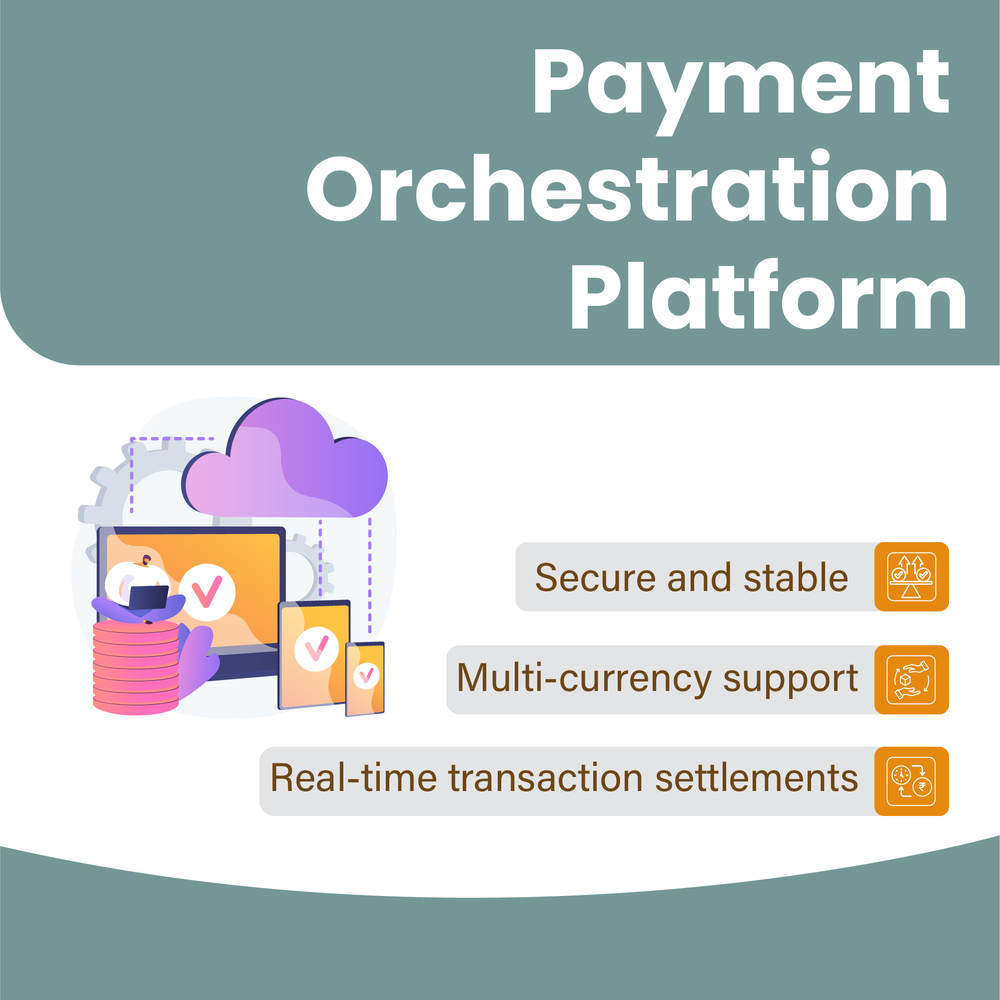

Price:
- 50
- 100
- 200
- 250
- 500
- 1000+

More Products in Payment Gateway Category
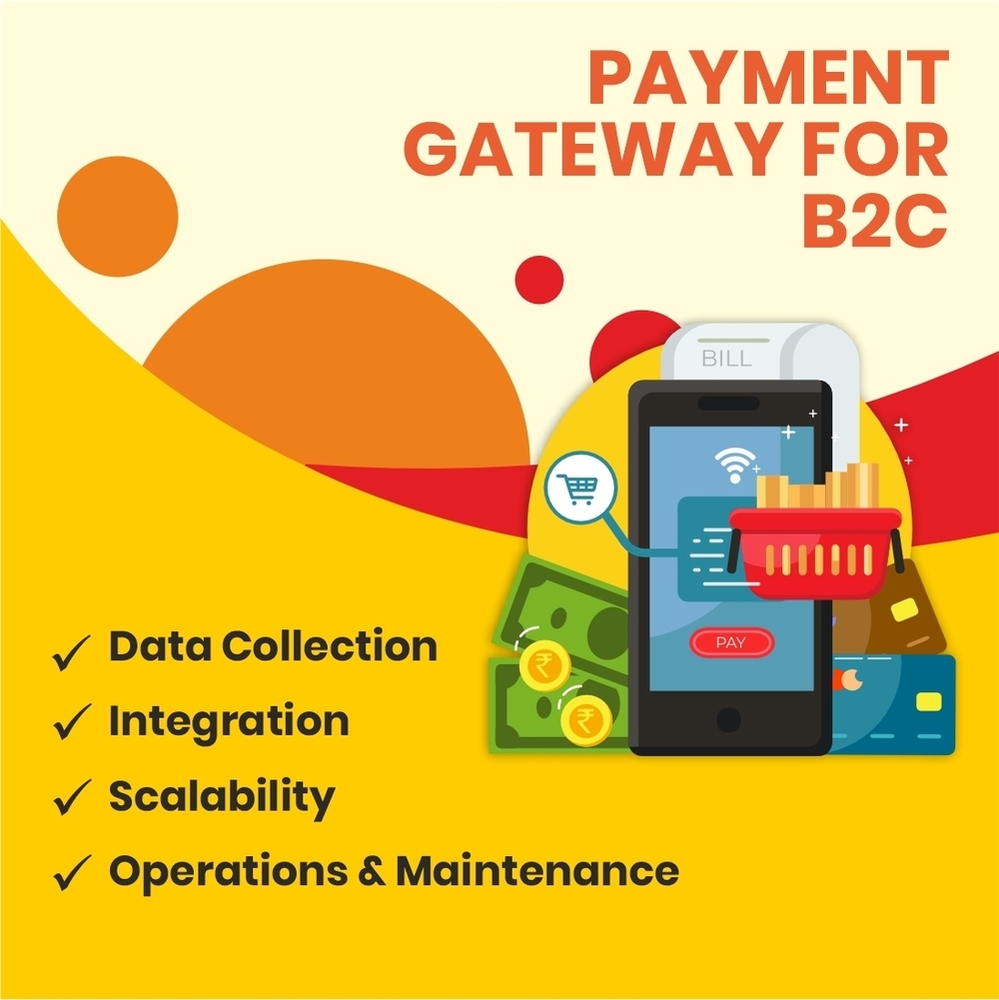
PAYMENT GATEWAY FOR B2C
Price 12000 INR / Piece
Minimum Order Quantity : 1 Piece
General Use : Online transactions and payment processing for B2C businesses
Suitable Currency : Other, Multicurrency support
Automatic : Yes
Computerized : Yes
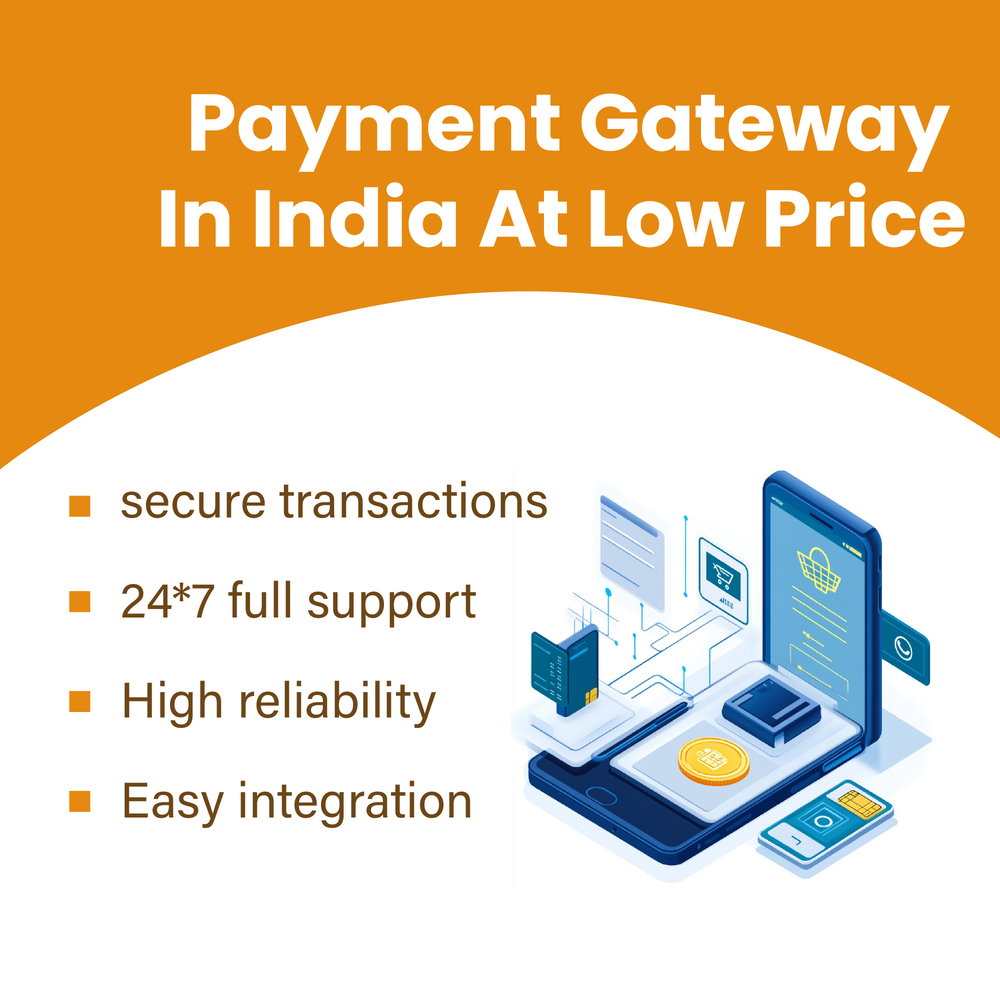
PAYMENT GATEWAY IN INDIA AT LOW PRIZE
Price 7000 INR / Piece
Minimum Order Quantity : 2 Pieces
General Use : Online Payment Processing
Suitable Currency : Other, INR (Indian Rupees)
Automatic : Yes
Computerized : Yes
Online Payment Solution
Price 10000 INR / Unit
Minimum Order Quantity : 5 Pieces
General Use : Payment Gateway
Suitable Currency : Other, Multicurrency Supported
Automatic : Yes
Computerized : Yes
PAYMENT ORCHESTRATION IN INDIA
Price 9000 INR / Piece
Minimum Order Quantity : 1 Piece
General Use : MultiPayment Gateway Integration & Processing
Suitable Currency : Other, INR and MultiCurrency
Automatic : Yes
Computerized : Yes

Developed and Managed by Infocom Network Private Limited.

